
What is Habesha? አበሻ ማን ነው? Exploring the Meaning and Culture

If you've ever been around the Ethiopian or Eritrean diaspora, you've likely heard the term "Habesha." It’s a word brimming with pride, culture, and a shared sense of identity. But for those outside the community, its meaning can be unclear. So, what exactly does "Habesha" mean? አበሻ ማን ነው? Let's explore its origins, evolution, and how it's used today.
The Historical Roots of the Word
The term "Habesha" is ancient, with a history that stretches back over a thousand years.
Geographical Origin: Historians believe it derives from the name "Habashat," an ancient Semitic-speaking people who lived in parts of modern-day Northern Ethiopia and Eritrea.
External Use: Interestingly, the term was first used by outsiders. Arab and other foreign traders in the region used "Al-Habash" to refer to the people of the Abyssinian kingdom (the precursor to both Ethiopia and Eritrea).
Reclaimed Identity: Over time, the people of the region adopted this external label and made it their own, transforming it into a powerful internal identifier.
Who is Considered Habesha Today?
This is where the definition becomes more cultural than strictly ethnic. In its modern context, "Habesha" is a pan-ethnic cultural identity.
Core Groups: It is most commonly used to refer to the predominantly Semitic-speaking peoples of the Ethiopian and Eritrean highlands, primarily the Amhara, Tigray, and Tigrinya ethnic groups.
A Broader Sense: For many, especially in the diaspora, "Habesha" has also evolved into a broader, inclusive term that signifies a shared cultural experience. It can encompass a common heritage rooted in Orthodox Christian traditions, shared foods (like injera and wat), coffee ceremonies, and a collective history, regardless of specific ethnic background.
A Note on Inclusivity: It's important to acknowledge that Ethiopia and Eritrea are incredibly diverse nations with over 80 and 9 ethnic groups respectively. Not all citizens from these countries identify as Habesha, and many have their own rich, distinct cultural identities (e.g., Oromo, Somali, Afar). The term is not a national identifier but a cultural-linguistic one.
More Than a Label: Shared Culture
Being Habesha is about a shared way of life. Key cultural touchstones include:
Language: Amharic and/or Tigrinya are often the linguistic common ground.
Religion: A strong connection to the Orthodox Christian faith (though the community includes Muslims and others).
Cuisine: The iconic communal meal of injera and various wat (stews).
Coffee: The revered and social coffee ceremony (Bunna).
Values: A deep emphasis on family, respect for elders, and communal bonds.
A Term of Pride and Connection
Today, "Habesha" is a word that connects a global diaspora. It’s a beacon of recognition—a way to find community and shared understanding in a foreign land. It signifies a pride in a rich heritage that has endured for millennia.
At Kibeb.com, we celebrate the vibrant and diverse cultures of the Horn of Africa. We are proud to provide a platform that connects the Habesha community worldwide through commerce, culture, and shared identity.
What does being Habesha mean to you? Share your thoughts and stories in the comments below.

Latest Posts


የተዛመዱ መጣጥፎች

Finding the Perfect Habesha Dress: A Guide for Every Occasion
Our guide helps you select the perfect Habesha dress (Kemis) for any occasion. Learn about styles...
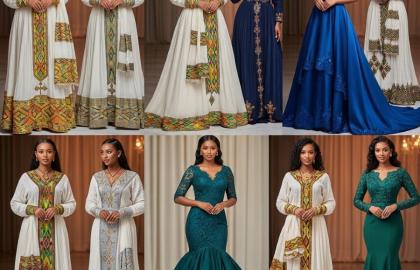
Best Habesha Kemis Styles 2024: የሚያምር አለባበስ (YeMiyamar Alebables)
Explore the top Habesha Kemis styles for 2024. Discover modern designs, traditional embroidery, and where to...
What Time is in Ethiopia Right Now? | Date Calendar – What Year Is Ethiopia in Now? | Addis Ababa Time
Find the current time in Addis Ababa, Ethiopia, today’s Ethiopian calendar date with the matching Gregorian...